


Everything You Need to Know About Hair Extension Care
Hair extensions can completely change the way you feel about your hair. More fullness, added length, easier styling, or simply the ability to create the hair you’ve been picturing for yourself.
But once you leave the salon with your new extensions, a good home-care routine becomes a big part of keeping them looking and feeling their best.
If you’re new to extensions, don’t worry. Caring for them doesn’t have to be complicated. A few small changes to the way you wash, brush, sleep, and style your hair can make a major difference in the longevity of your extensions and the health of your natural hair.

Here are some of our favorite extension tips from the team at Bloom Collaborative.
1. Brush Your Extensions Regularly
One of the simplest things you can do for your extensions is brush them consistently.
Gently brush through your hair at least once or twice a day, especially before washing and before bed. Start at the ends and gradually work your way upward rather than pulling from the top down.
When brushing near your extension attachment points, take your time. Supporting the hair with one hand while brushing can help prevent unnecessary tension.
Your Bloom stylist can also recommend the best extension-safe brush for your specific method.
2. Never Go to Bed With Wet Extensions
This is one of our biggest extension rules.
Your hair is more fragile when it’s wet, and going to sleep with damp extensions can lead to tangling, matting, and added stress around the attachment points.
Before bed, make sure your roots and extensions are completely dry.
Once your hair is dry, loosely secure it in a braid or low ponytail to help minimize friction and tangling while you sleep.
Bonus tip: A silk or satin pillowcase can also help reduce friction on both your natural hair and extensions.
3. Wash Your Hair With Extension Care in Mind
Yes, you can absolutely wash your hair normally with extensions. You’ll just want to make a few adjustments.
When shampooing:
- Focus shampoo primarily on your scalp and roots.
- Gently massage rather than aggressively scrubbing.
- Allow the shampoo to rinse through the lengths of your hair.
- Avoid piling your hair on top of your head while washing.
When conditioning, concentrate the product through the mids and ends of your hair rather than directly around the extension attachment points.
Your stylist may also recommend adjusting how frequently you wash based on your natural hair, lifestyle, and extension method.
4. Use Professional, Extension-Friendly Products
The products you use at home matter.
A professional shampoo, conditioner, leave-in treatment, and heat protectant can help maintain moisture, softness, shine, and manageability between salon visits.
Some products may not be ideal around certain extension attachment points, so it’s always worth asking your stylist before introducing something new into your routine.
At Bloom, we can help you build a home-care routine specifically for your hair and your extensions rather than sending you home with a one-size-fits-all recommendation.
5. Heat Protectant Is a Must
One reason we love extensions is the styling versatility they provide, but extensions still need protection from heat.
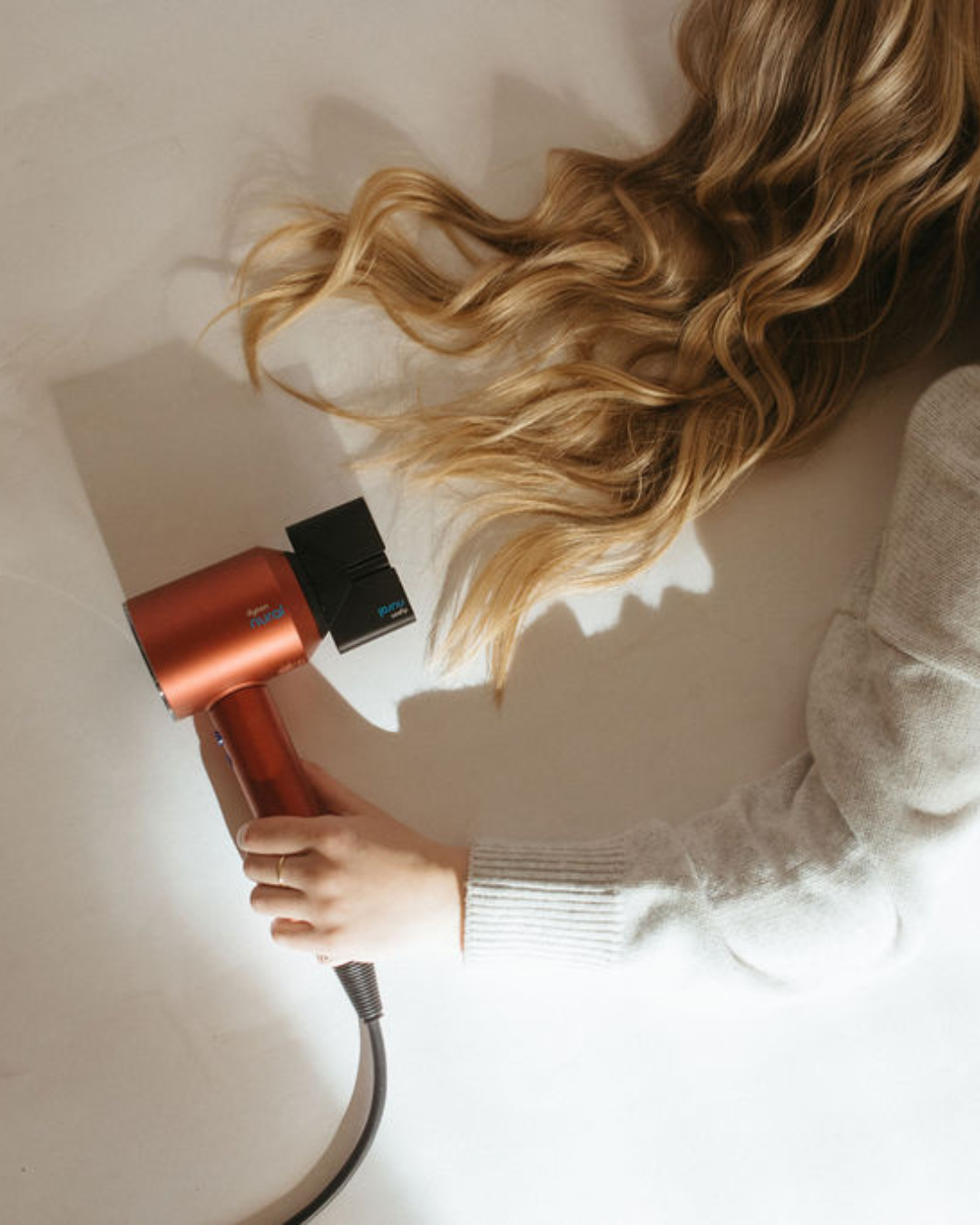
Before using your blow dryer, curling iron, flat iron, or other hot tools, apply a professional heat protectant.
Keeping your tools at an appropriate temperature can also help. More heat doesn’t necessarily mean better styling, and consistently using extremely high temperatures can shorten the life of extension hair.
6. Keep Oils and Heavy Products Away From Attachment Points
Hair oils can be wonderful for keeping extension ends soft and polished, but placement matters.
Depending on your extension method, applying oils, masks, or heavy conditioning products too close to the attachment area can affect how well your extensions hold.
Instead, apply nourishing products primarily through the mids and ends.
When in doubt, ask your extension stylist exactly where your products should go.
7. Protect Your Extensions While Swimming
Pool days and vacations don’t have to stop once you have extensions, but your hair may need a little extra attention.
Before swimming:
- Brush your extensions thoroughly.
- Secure your hair to help prevent tangling.
- Ask your stylist about leave-in products that can offer additional protection.
- Avoid leaving wet extension hair tied up for long periods.
After swimming, rinse and cleanse your hair as soon as possible.
If you have a beach or pool vacation coming up, mention it at your appointment so your stylist can recommend options specific to your extensions.
Be Mindful of Sunscreen
Sunscreen is a must for protecting your skin, but some formulas can be tricky around hair extensions, especially lighter shades.
Certain chemical sunscreen ingredients, including avobenzone and octocrylene, can sometimes contribute to discoloration or an orange/brassy cast if they transfer onto extension hair.
To play it safe, look for a mineral sunscreen made with zinc oxide or titanium dioxide, and try to keep sunscreen from directly touching your extensions whenever possible.
After applying SPF, wash or wipe your hands before running them through your hair, and be especially mindful around your neck, shoulders, and hairline.
If you do notice any discoloration, reach out to your stylist before trying to correct it at home.
8. Don’t Skip Your Maintenance Appointments
Home care is important, but professional maintenance is just as essential.
As your natural hair grows, your extensions will gradually move farther away from the scalp. Maintenance appointments allow your stylist to adjust or reinstall your extensions, check the health of your natural hair, and keep everything comfortable and seamless.
The ideal maintenance schedule varies depending on your extension method and how quickly your hair grows, so follow the timeline your stylist recommends.
Waiting significantly longer than recommended can make extensions harder to manage and may put unnecessary stress on your natural hair.
9. Pay Attention to Anything That Feels Different
Extensions should feel comfortable.
If you notice unusual pulling, matting, slipping, discomfort, or anything that just doesn’t feel right, reach out to your stylist rather than trying to fix it yourself.
We would always rather answer a question early than have you spend weeks wondering whether something is normal.
10. Remember That Extension Care Should Fit Your Life
Plenty of extension rules float around online, but your routine should ultimately be based on your hair, your extension method, and your lifestyle.
Someone with fine hair may have different needs than someone with thick hair. An athlete who washes frequently may need a different routine than someone who styles once a week.
That’s why the consultation and ongoing relationship with your extension stylist matter so much.
At Bloom, extension care doesn’t stop after installation. We want you to feel confident caring for your hair at home, too.
Thinking About Hair Extensions in De Pere, WI?
If you’ve been considering hair extensions but aren’t sure what method, length, or amount of hair would work best for you, the first step is a consultation.
Our extension stylists at Bloom Collaborative can talk through your hair goals, lifestyle, maintenance expectations, and home-care routine before creating a plan designed specifically for you.
Whether your goal is extra length, more fullness, or a subtle transformation that simply makes your hair feel more like you, we’d love to help you explore your options.
FAQ: Hair Extension Care
How often should you wash hair extensions?
There isn’t one perfect washing schedule for every extension guest. Your natural hair type, extension method, scalp, and lifestyle all play a role. Your stylist can recommend a schedule that keeps your scalp clean without unnecessarily over-washing your extension hair.
Can you sleep with hair extensions?
Absolutely. Just make sure your hair is completely dry first. Gently brush and secure the hair in a loose braid or low ponytail before bed to help prevent tangling. Silk hair bonnets are perfect for sleeping in extensions.
Can you use heat on hair extensions?
Yes. Extensions can typically be curled, straightened, and blow-dried, but heat protectant is essential. Avoid unnecessarily high temperatures and be mindful of your extension attachment points.
How can I make my hair extensions last longer?
Consistent brushing, proper washing, professional products, heat protection, sleeping with dry hair, and staying on schedule with maintenance appointments can all help you get the most from your extensions.
What products should I avoid with hair extensions?
This depends partly on the extension method you wear. Heavy oils, conditioners, or certain products may need to stay away from your attachment points. Your extension stylist can recommend products that are appropriate for your specific hair.

View comments
+ Leave a comment